Blog Details - English for AP GCSE IB

Blog Details

  • Home
  • /
  • Blog Details
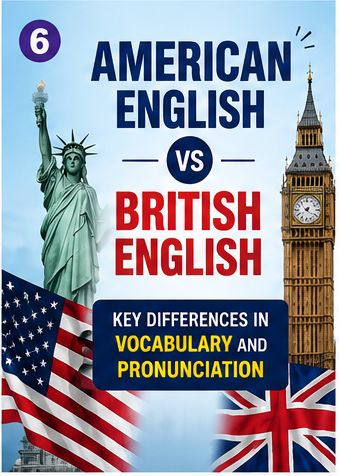
American English vs British English: Key Differences in Vocabulary and Pronunciation

American English vs British English: Key Differences in Vocabulary and Pronunciation

Confused about the differences between American and British English? Learn the key variations in vocabulary, spelling, pronunciation, and grammar to communicate effectively with English speakers worldwide.

This comprehensive guide explains the most common differences between American and British English, helping learners understand regional language usage and avoid confusion in conversations and writing.


American vs British English Made Easy

Discover practical examples, pronunciation tips, and vocabulary comparisons that will help you recognize and use both forms of English confidently in academic, professional, and everyday situations.

American English vs British English: Key Differences in Vocabulary and Pronunciation American vs British English Made Easy
Key Points
  • Understand the differences between American and British English.
  • Learn common vocabulary variations and meanings.
  • Compare pronunciation differences with examples.
  • Master spelling differences used in both regions.
  • Learn grammar variations between American and British English.
  • Improve communication with international English speakers.
  • Avoid common misunderstandings in conversations.
  • Learn which English style is best for your goals.
  • Understand regional expressions and idioms.
  • Improve listening comprehension across accents.
  • Build confidence in global English communication.
  • Explore real-world examples used by native speakers.
shape-1 shape-2 shape-3
call-action-img
English communication for Business / Professional success

Affordable Your Online Courses & Learning Opportunities
Vocabulary & Grammar development

Mastering corporate communication requires shifting from basic language proficiency to strategic, high-stakes expression. This curriculum empowers ambitious professionals to master executive presence, cross-border negotiations, and persuasive storytelling. By deconstructing the nuances of workplace dynamics, learners transition from standard English to commanding tools for leadership, influence, and global impact.